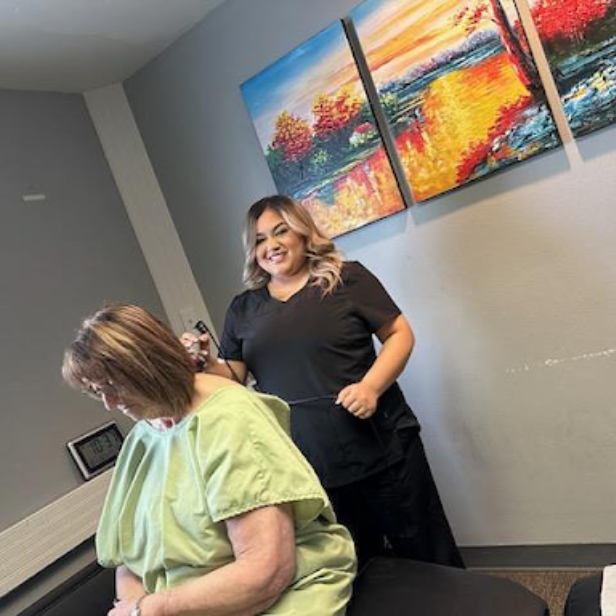
How an Auto Injury Chiropractor Supports Your Recovery?
Car accidents shake you up. Even a small crash can leave your neck stiff, your back tight, and your head pounding days later. The pain doesn’t always show up right away. It creeps in. That’s where an Auto Injury Chiropractor steps in. Not with complicated talk. Not with endless tests. Just hands-on care focused on helping your body heal the way it’s supposed to. In this blog, we’ll break down how chiropractic care actually supports your recovery after a crash and what you should expect when getting treatment.
Why You Should See a Chiropractor for Auto Injuries
After a crash, most people think, “I’m fine.” Then the soreness starts. Whiplash. Tight shoulders. Lower back pain that won’t quit. A chiropractor for auto injuries focuses on exactly these problems.
They investigate how the impact changed your spinal condition and muscle condition and nerve condition. Your spine experiences minor displacement during low-speed collisions. The minor displacement leads to nerve irritation and inflammation.
The chiropractic adjustments use gentle techniques to restore spinal alignment. The procedure reduces pressure which allows your body to relax. The process results in decreased pressure which produces reduced pain and improved motion ability.
What Auto Accident Injury Chiropractor Services Actually Include
When people hear auto accident injury chiropractor services, they think it’s just back cracking. It’s not.
Here’s what you typically get:
- A full physical exam focused on injury patterns common in crashes
- Range-of-motion testing
- Soft tissue therapy for tight muscles
- Gentle spinal adjustments
- Rehab exercises to rebuild strength
The goal isn’t quick relief for one day. It’s long-term recovery. The kind that prevents pain from sticking around for months.
Treating Hidden Damage After a Crash
A good auto accident injury chiropractor knows that injuries aren’t always obvious. You might feel “okay” but still have:
- Micro-tears in muscles
- Inflamed ligaments
- Subtle disc issues
- Joint misalignment
Left untreated, these can turn into chronic pain. Headaches become daily. Lower back pain becomes normal. That shouldn’t happen.
Chiropractic care reduces inflammation naturally. It improves blood flow. It keeps scar tissue from limiting movement later. Early care matters.

How an Auto Injuries Chiropractor Helps with Whiplash
Whiplash chiropractor is one of the most common crash injuries. Your head snaps forward and back in seconds. The strain is real.
An auto injuries chiropractor focuses on restoring motion in your neck safely. No aggressive movements. Just controlled adjustments and muscle work.
They also guide you through simple rehab exercises. These exercises strengthen the small stabilizing muscles in your neck. Stronger muscles mean fewer flare-ups down the line.
Chiropractor for Auto Accident Spinal Injuries: Why Alignment Matters
Spinal alignment isn’t just about posture. It affects nerve function.
A chiropractor for auto accident spinal injuries checks how the vertebrae are sitting after impact. Even a slight shift can pinch nerves. That leads to tingling, numbness, or shooting pain.
When alignment improves, nerve signals improve. Your body starts healing better. You sleep better. You move easier. It’s not magic. It’s mechanics.
Working With an Auto Accident Chiropractor During Insurance Claims
Here’s something people don’t talk about enough: documentation.
An experienced auto accident chiropractor understands injury documentation for insurance claims. They track your progress. They note limitations. They keep detailed records.
This protects you. It shows proof of injury and proof of care. That matters when dealing with adjusters.
Why a Car Accident Chiropractor Focuses on Whole-Body Recovery
A Car accident chiropractor doesn’t just treat the spot that hurts. They look at the chain reaction.
For example, neck injury can cause mid-back tension. That tension can cause headaches. It’s connected.
Recovery plans often include:
- Adjustments
- Muscle therapy
- Mobility work
- At-home stretching routines
It’s about getting you back to normal life. Work. Driving. Sleeping without pain.

Our Approach at Accident Chiropractic
En Quiropráctica de accidentes, we see accident injuries every single day. We know how frustrating the pain can be. We know how confusing insurance can feel.
Our team focuses on clear explanations. Our team provides actual solutions with no unnecessary content. We examine the injury, build a simple recovery plan, and guide you step by step. The team requires treatment to progress at its natural pace while they maintain treatment procedures in their simplest form.
The team aims to help you achieve stronger muscles better movement abilities and complete pain relief through methods that ensure your safety.
Conclusion
Your rehabilitation process after a crash requires more than a waiting period. Immediate action should happen during the first hours after an accident. Appropriate medical treatment prevents future health issues. The treatment method provides two benefits. The method prevents the development of ongoing discomfort.
A Car accident chiropractor aids your healing process by restoring proper body alignment and decreasing body swelling and helping you develop strength. Your body will recover fully when you receive appropriate medical care. You need proper assistance to achieve your goals.
Ready to start healing the right way?
[Schedule Your Appointment Now]
FAQs
Q1. How can Accident Chiros help me after a crash with an Auto Injury Chiropractor?
Our Auto Injury Chiropractor at Accident Chiros conducts an assessment of your injuries and develops a customized treatment strategy while providing direct treatment to help you decrease your pain and enhance your ability to move. Our team maintains detailed records of your treatment process which supports your insurance claims and guarantees that you will obtain appropriate medical treatment without facing any delays.
Q2. How soon should I see a chiropractor after a car accident?
You need to see a chiropractor who should examine you within twelve hours after your car accident. The symptoms of whiplash and soft tissue damage start to emerge after a time delay. The process of evaluating your condition at an early stage will assist you in avoiding future issues which include developing stiffness and experiencing long-term health problems.
Q3. Can chiropractic care help with whiplash pain?
Yes. People use chiropractic treatment as their primary method to treat whiplash injuries. Patients achieve neck mobility restoration through the combination of gentle spinal adjustments and soft tissue therapy and supervised exercises. The process leads to better comfort and decreased chances of developing persistent pain throughout.
Q4. Do I need a referral to see a chiropractor after an auto accident?
In most cases you do not need a referral to start chiropractic care after a car accident. Chiropractors have the authority to begin patient assessment and treatment procedures. Insurance companies have different policy requirements therefore it is important to check your coverage information with your insurance provider before proceeding.